
Signs You Have a Stinkbug Infestation Indoors
If you notice signs you have a stinkbug infestation indoors, local service providers can identify the problem and offer effective treatment options to eliminate them.
If you’ve noticed an increase in stinkbugs inside your home, it’s important to understand the common signs that indicate an infestation. These pests often seek warmth and shelter during cooler months, and their presence can be more than just a minor annoyance. Look for clusters of bugs around windows, door frames, or in corners of rooms, especially near light sources. You might also notice a distinctive, unpleasant odor when stinkbugs are disturbed or crushed, which is a clear indicator of their presence. Recognizing these signs early can help property owners in the area take timely action to address the problem before it becomes more difficult to manage.
Local contractors specializing in stinkbug infestation treatment can provide effective solutions to eliminate these pests and prevent future invasions. If signs point to an indoor stinkbug problem, connecting with experienced service providers can offer peace of mind and help restore comfort to the home. Whether through targeted removal or sealing entry points, these professionals have the expertise to handle infestations efficiently. Keep reading to learn more about how to identify the signs of a stinkbug invasion and discover practical steps property owners can take to protect their homes from these unwelcome guests.
- Inspection services - when signs of stinkbugs indoors include seeing them around windows or on walls, local contractors can perform thorough inspections to confirm an infestation.
- Infestation detection - if you notice an increase in stinkbug activity inside, service providers can identify entry points and assess the severity of the problem.
- Pest exclusion work - in cases where stinkbugs are found indoors, local pros can implement sealing and exclusion measures to prevent further entry.
- Treatment application - when signs of a stinkbug infestation are present, professional treatment options can effectively reduce or eliminate the pests.
- Follow-up assessments - after initial work, local contractors can conduct follow-up visits to ensure the infestation is under control and prevent recurrence.
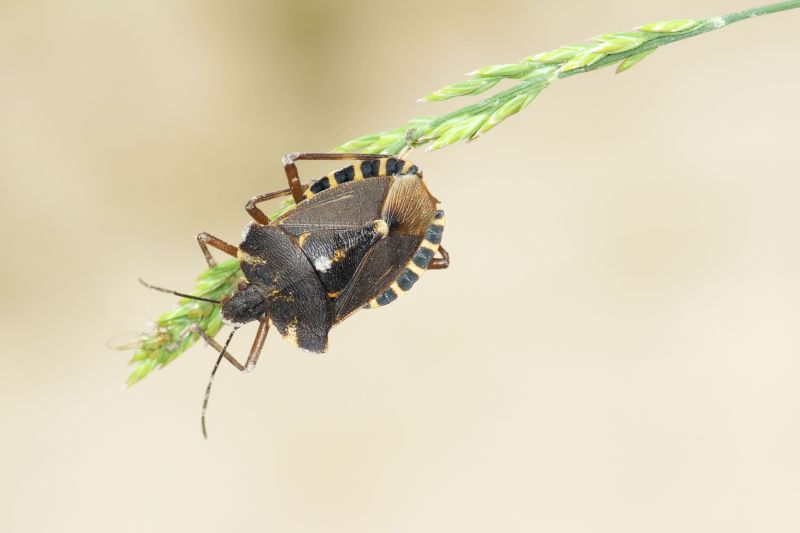
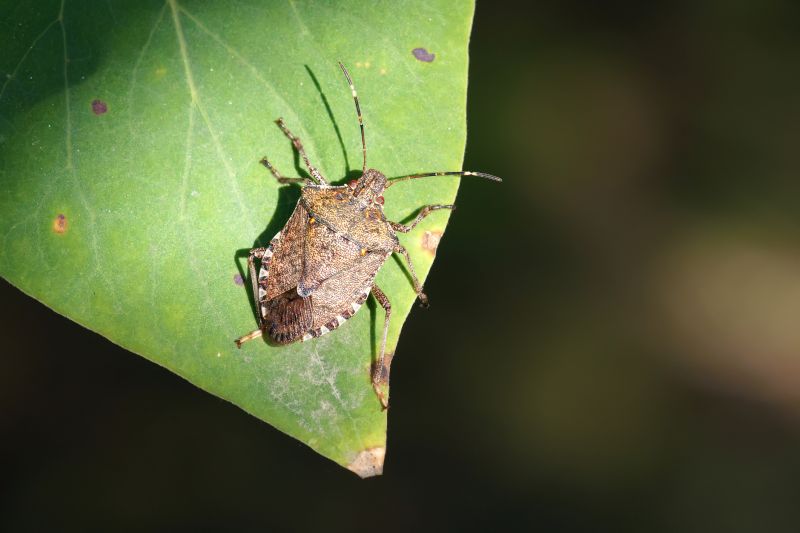
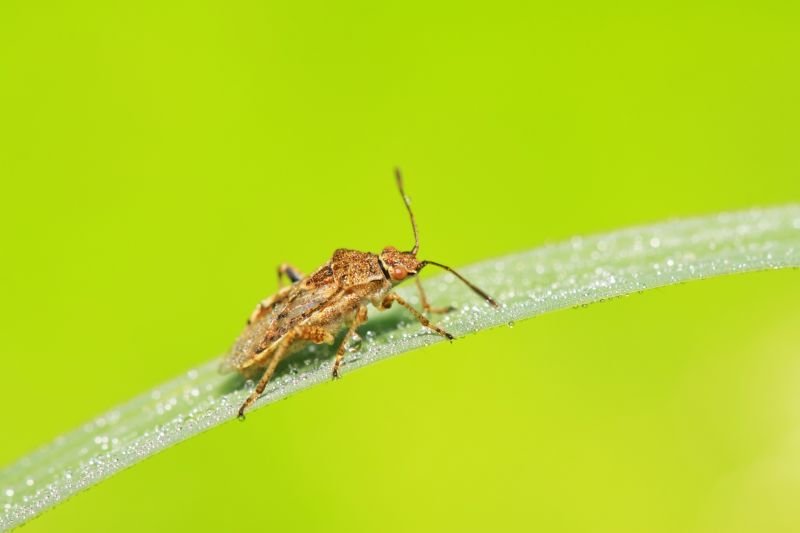
When searching for signs you have a stinkbug infestation indoors, homeowners are typically trying to identify whether these pests have made their way inside their property. This concern often arises during seasonal changes, especially in fall when stinkbugs seek warm places to overwinter. People may notice an unusual number of bugs around windows, door frames, or on interior walls, prompting questions about whether these insects have established a presence inside. Recognizing the early signs can help homeowners determine if a professional treatment is needed to prevent a larger infestation that could become difficult to manage.
This topic relates closely to problems such as property damage, discomfort, and the nuisance that stinkbugs can cause. While these insects are generally harmless, their presence can be overwhelming, especially when they gather in large numbers. Some property owners plan to address infestations proactively to avoid the mess and potential odor issues that occur when stinkbugs are disturbed or crushed. Additionally, identifying the signs of an indoor infestation can help homeowners decide whether to seek treatment from local contractors who specialize in stinkbug control, ensuring that the problem is handled efficiently and effectively.
Properties most often affected by stinkbug invasions tend to be residential homes, particularly those with accessible entry points like gaps around windows, vents, or door frames. Single-family houses, townhomes, and even apartments can be vulnerable if they have openings that allow these insects to enter. In some cases, structural issues or poorly sealed windows and doors can make it easier for stinkbugs to find their way inside. Understanding the types of properties prone to infestation helps homeowners recognize the importance of sealing entry points and seeking professional treatment when signs of an invasion appear.
Identifying signs you have a stinkbug infestation indoors is a practical step in managing the problem before it escalates. Common indicators include clusters of bugs near windows, light fixtures, or on walls, especially during the fall and winter months. You might also notice a strong, unpleasant odor when crushing these insects or finding small, dark-colored bugs in your living space. When these signs are present, local contractors who specialize in stinkbug treatment can assess the severity of the infestation and recommend appropriate solutions. Their expertise can help homeowners eliminate the pests and prevent future invasions, ensuring a more comfortable indoor environment.
Home inspection services - professionals who can identify pest entry points and signs of infestations, including stinkbugs, as part of comprehensive property assessments.
Pest control consulting - experts who advise on effective strategies for detecting and managing indoor stinkbug populations and preventing future invasions.
Sealing and weatherproofing services - contractors skilled in closing gaps and cracks that stinkbugs use to enter indoor spaces, reducing infestation risks.
Ventilation and attic insulation services - providers who improve airflow and seal potential entry points where stinkbugs might congregate or invade from outside.
Structural repair services - specialists capable of fixing damaged screens, vents, or siding that could allow stinkbugs to penetrate indoor environments.
General handyman services - local contractors who can assist with small repairs and maintenance tasks that help prevent stinkbug invasions indoors.
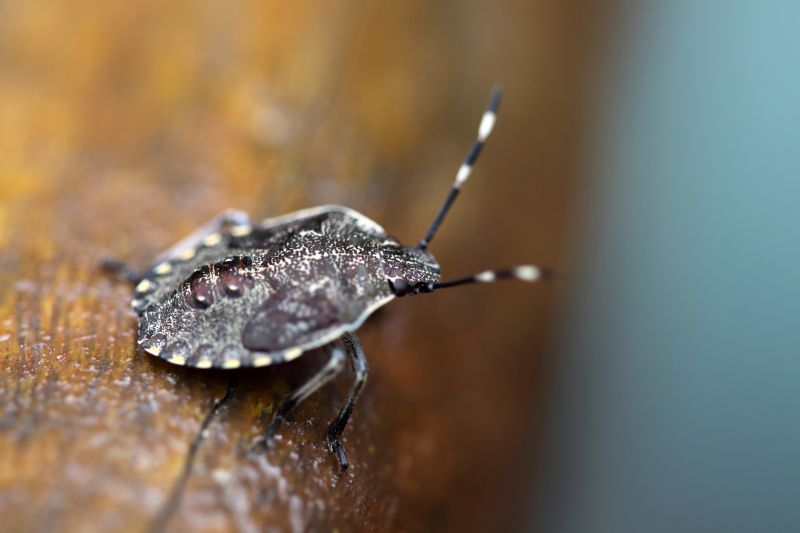
When evaluating contractors for stinkbug infestation treatment, it’s important to consider their experience with similar projects. Homeowners should seek service providers who have a proven track record in handling indoor pest issues, particularly those involving stinkbugs. An experienced contractor will have a better understanding of the signs of infestation and the most effective methods for addressing it. Asking for references or examples of past work can help gauge a contractor’s familiarity with this specific type of problem, ensuring that they are well-equipped to handle the unique challenges that indoor stinkbug infestations may present.
Clear written expectations are essential when comparing local contractors for stinkbug treatment. Homeowners should look for service providers who provide detailed descriptions of their process, including what the treatment entails, what areas will be affected, and any follow-up steps needed. Having this information in writing helps prevent misunderstandings and ensures that both parties are aligned on the scope of work. It also allows homeowners to assess whether the proposed approach matches their concerns and expectations, leading to a smoother experience and more satisfactory results.
Effective communication is a key factor in choosing the right service provider. Reputable contractors are transparent about their methods and willing to answer questions or clarify procedures. They should be responsive and able to explain their recommendations in a straightforward manner, helping homeowners understand what to expect throughout the process. Good communication fosters trust and confidence, making it easier to coordinate the treatment and address any issues that may arise. When comparing local pros, prioritizing those who demonstrate clear, open lines of communication can contribute to a more positive and stress-free experience in managing a stinkbug infestation indoors.
Property owners often search for signs you have a stinkbug infestation indoors when they are planning practical projects around their homes and businesses. Local pros provide Stinkbug Infestation Treatment services for everyday jobs and straightforward project options.
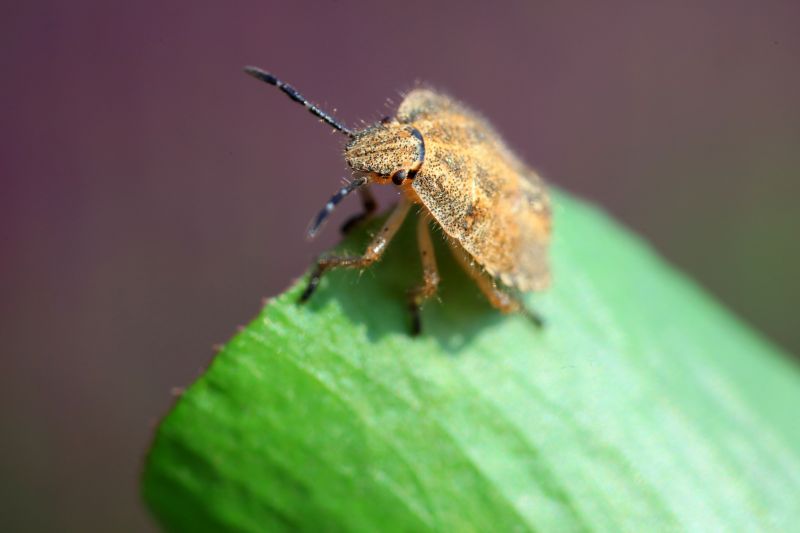
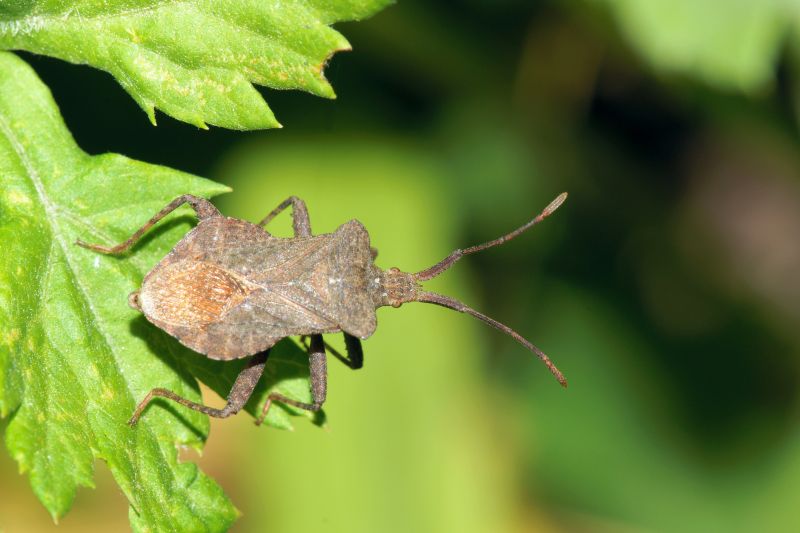
Signs you have a stinkbug infestation indoors often include the sudden appearance of these insects around windows, door frames, or light fixtures, especially as they seek warmth during seasonal changes. Property owners may notice an increase in the number of these bugs inside their homes, along with the smell they emit when disturbed or crushed. If such signs are observed, it can be a sign that an infestation is developing, prompting property owners to seek the expertise of local contractors who specialize in stinkbug treatment and removal.
Addressing a stinkbug problem early can prevent larger infestations and more difficult cleanups later on. Local service providers offer treatment options that can effectively reduce or eliminate these pests from indoor spaces. Homeowners and property managers looking for a straightforward solution may consider reaching out to experienced contractors who can assess the situation and recommend appropriate treatment methods to keep indoor environments free of these unwelcome insects.
What are common signs of a stinkbug infestation indoors? Noticing large numbers of stinkbugs around windows, doorways, or light fixtures is a key sign. You might also detect a foul odor if the bugs are disturbed or crushed inside the home.
How can I tell if stinkbugs are hiding inside my walls or attic? If you observe dead bugs, shed skins, or a sudden increase in stinkbugs during certain seasons, it could indicate they are nesting in hidden areas like walls or attics. Unusual musty smells may also be a warning sign.
Are there visual cues that indicate an active stinkbug infestation? Yes, seeing clusters of brown or green bugs on exterior walls, window screens, or near vents suggests active infestation. Their presence indoors, especially during fall, is also a clear indicator.
What symptoms might suggest a stinkbug problem is becoming severe? An abundance of stinkbugs entering the home, persistent odors, and the inability to control their numbers with simple measures are signs that professional treatment may be needed.
How do local contractors typically handle stinkbug infestations indoors? Service providers often perform thorough inspections, identify entry points, and apply targeted treatments to eliminate bugs and prevent future invasions, helping to address signs of an infestation effectively.
Dark specks on window sills - noticing small dark spots can indicate stinkbugs have entered your home, and local contractors can help identify entry points.
Unpleasant odor when disturbed - a strong, musty smell may signal an active infestation, prompting expert treatment services to eliminate the pests.
Clusters of bugs in corners or near lights - seeing groups of stinkbugs gathering indoors suggests a need for professional removal and sealing of entry points.
Dead bugs or shed skins inside the home - finding remnants of stinkbugs can be a sign of ongoing activity, and service providers can assess and treat the affected areas.
If you are thinking about signs you have a stinkbug infestation indoors for a property, this guide is meant to help you understand this topic, the typical project types, and how different options might fit your plans.
When you are ready, you can use the quote form on this page to share a few details about your project. From there, local pros can review the basics and follow up with options that match what you have in mind.